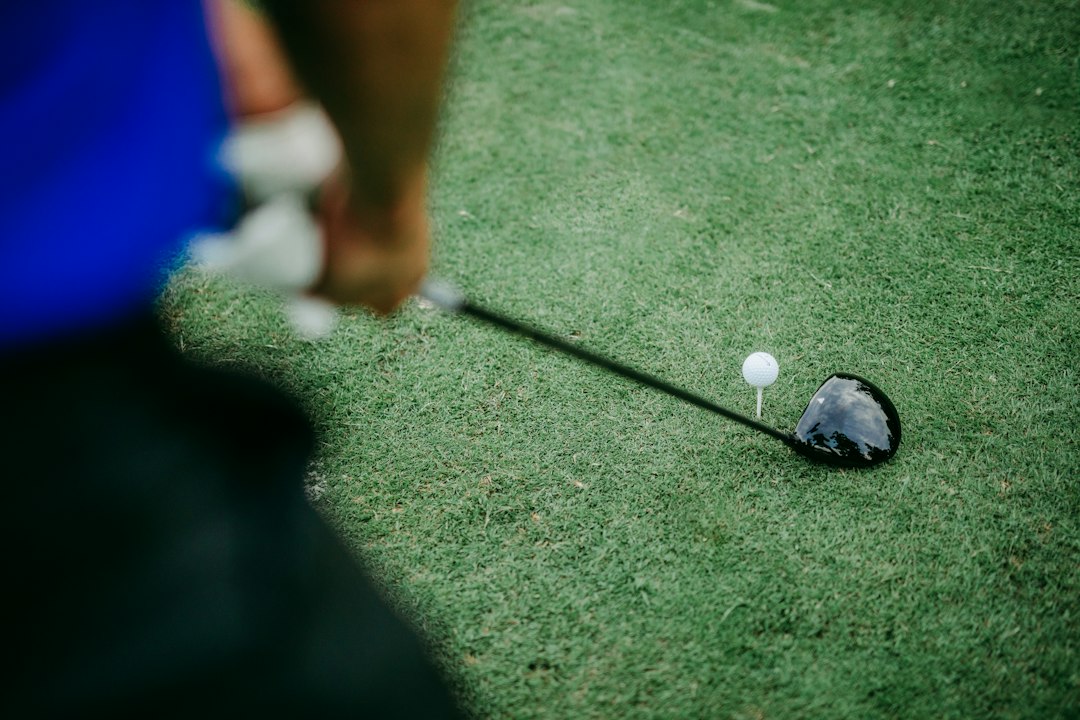
Best Driver Loft for the Average Golfer
The best driver loft for most weekend golfers is 10.5 degrees. That number suits the biggest group of club players, the ones swinging a driver somewhere between 85mph and 100mph, because it launches the ball high enough to carry while keeping spin low enough to give you run when it lands. Drop below about 85mph and 12 degrees will send the ball further. Push past 105mph and 9 or 9.5 degrees will flatten the flight and cut the spin that makes a tee shot stall. The loft stamped on the sole is a starting point rather than a rule, and the drivers below come in the lofts that matter for a weekend game.
- Most weekend golfers, the ones swinging 85 to 100mph, get their best numbers from a 10.5 degree driver.
- Under 85mph, 12 degrees or more beats a low-loft head on both carry and accuracy.
- Over 105mph, 9 to 9.5 degrees keeps the ball down and stops it climbing into the wind.
- An adjustable hosel lets you test the lofts either side of your number, which is the cheapest fitting you will ever do.
📚 How far should you hit each golf club? · 🔑 Best golf drivers for beginners
Why the number on the sole is only half the story
Every driver carries a static loft, the angle cut into the head, and a second angle that matters more, the one the face actually presents at impact. Custom fitters work from that second number, and the two rarely match. A downward strike delofts the club, so a 10.5 degree head can arrive at the ball closer to 8 degrees and send it out low. An upward strike does the opposite and adds launch the head was never given. Golf Monthly makes the point that two golfers can swing the same driver and still need different lofts, because what matters is how they deliver the club rather than how hard they swing it.
TrackMan's published averages, gathered by The Left Rough, put the average 14.5 handicap golfer at about 12.6 degrees of static driver loft and roughly 15 degrees of loft delivered at impact. That is a useful hint that most club golfers already lean high. If your drives feel low, the loft is not usually the villain; hitting down on the ball with a driver is. That is a delivery problem before it is a club problem, and driver head weighting is the place to start understanding it.
What loft the average golfer should use
The table below is the one fitters work from. Find your driver swing speed, then start a shade above the lower end of the range and adjust from there.
| Driver swing speed | Starting loft | Who it suits |
|---|---|---|
| Under 75mph | 13 to 15 degrees | Seniors, juniors and new players |
| 75 to 84mph | 12 to 13 degrees | Senior men, many women, higher handicaps |
| 85 to 94mph | 10.5 to 12 degrees | The average recreational golfer |
| 95 to 104mph | 9.5 to 10.5 degrees | Athletic club golfers and mid handicaps |
| 105mph and up | 8.5 to 9.5 degrees | Low handicaps and skilled players |
Two things are worth noticing. The first is that the average golfer sits in the 10.5 to 12 degree band, which is exactly where most drivers are sold off the rack. The second is that the bands are wide on purpose, because a degree of loft is worth roughly 2 to 3 yards of carry and about 300rpm of spin, so being a half degree out is not the end of the world. If you cannot measure your swing speed, guess it from your 7 iron: a 7 iron that carries about 130 yards usually points to a driver swing in the low 80s.
The three things that change your answer
Attack angle is the first and the biggest. If you hit down on the driver with a negative attack angle, the head needs more loft to get the ball back to a playable launch angle, and a flatter, upward strike wants less. Most weekend golfers hit down by a few degrees without knowing it, which is why so many of them are quietly under-lofted.
Driver weighting is the second. A head with a low and forward centre of gravity spins less, so it needs more loft to stay in the air, while a back-weighted head spins more and can run with less. That is the whole reason a draw-biased head and a tour head with the same number on the sole can behave like different clubs. If you already own an adjustable driver, moving weight is free, and adding lead tape is the cheapest experiment in the bag.
The shaft and the ball are the third. A soft, high-launching shaft adds loft at impact, and a low-compression ball like the ones in our low compression golf ball guide launches higher off the same head. Change the ball before you buy a new driver, because it is the cheaper lever and it tells you whether loft is really your problem.
Drivers that suit each loft
All five of these are sold in the UK and cover the 10.5 and 12 degree lofts most weekend golfers need. Prices are the ones shown at the time of writing and they move around, so treat them as a guide rather than a fixed figure.
Callaway Elyte, 10.5 degrees (about £329)
The straightforward pick for a golfer swinging 85 to 95mph. The 10.5 degree head is the loft Callaway expects most club players to buy, and the Denali shaft keeps the launch in a range that suits a moderate swing. Callaway Elyte driver.
Cobra DS Adapt MAX D, 10.5 degrees (about £329)
If your miss is a slice, the draw-biased weighting in the MAX D head is the reason to look here. It pulls the centre of gravity toward the heel to help the face close, and the FutureFit33 hosel covers 33 loft and lie settings, so you can nudge the loft up or down without a new club. Cobra DS Adapt MAX D driver.
TaylorMade Qi35 Max, 12 degrees (about £399)
This is the one for slower swing speeds. A 12 degree head with a high moment of inertia forgives off-centre strikes and launches the ball without you having to force it, which is exactly what a golfer under 85mph needs. TaylorMade Qi35 Max driver.
Ram Golf XDC, 10.5 degrees (about £70)
The budget answer. A 460cc head is the largest the rules allow, so the hitting area is generous, and at this price you can put the difference toward a lesson or a bucket of balls. Ram Golf XDC driver.
MAZEL Titanium, 10.5 degrees (about £86)
The value alternative, sold in both regular and stiff flex so you are not stuck with one shaft. The titanium head gives a firm feel at impact and the 10.5 degree loft sits right in the average-golfer band. MAZEL Titanium driver.
Products mentioned
- Callaway Elyte Driver - about £329.00.
- Cobra DS Adapt MAX D Driver - about £329.00.
- TaylorMade Qi35 Max Driver - about £399.00.
- Ram Golf XDC Driver - about £69.99.
- MAZEL Titanium Driver - about £85.99.
Testing a loft without paying for a fitting
You do not need a launch monitor to get close. If your driver has an adjustable hosel, set it to your loft and hit ten balls, then move it one degree up and hit ten more. Watch the peak height and where the ball finishes rather than how it feels, and pick the setting that leaves you furthest down the fairway. A bucket at the range costs a fraction of a fitting and answers the question that matters.
If the driver is glued and you cannot change the loft, then the ball is your next lever, and after that the shaft. Buying a second driver in a different loft is the last resort, and it is worth remembering that a 12 degree head in a forgiving model will help a slow swing more than a 10.5 degree head in a tour model ever will.
Frequently asked questions
What driver loft should a high handicapper use?
Most high handicappers are best served by 10.5 to 12 degrees, because the extra loft gets the ball airborne without depending on a fast swing. Start at 10.5 if you swing near 90mph and move up to 12 if you are under 85mph.
Is 10.5 or 12 degrees better for me?
It comes down to swing speed. A driver swing speed of 85 to 94mph fits 10.5 degrees, and anything under 85mph will usually carry further at 12 degrees. Faster players around 100mph can drop to 10 degrees and still launch the ball.
Does more loft mean more distance?
Only up to the point where your flight stops being efficient. More loft adds carry but also adds spin, and past a certain angle the ball climbs and loses run. Most slower swingers gain distance from more loft, and most faster swingers lose it.
What loft driver do senior golfers use?
Senior golfers commonly swing a driver in the 70 to 85mph range, which points to 12 to 13 degrees as a starting loft. Some slower swings run past 13 degrees, and a few heads go up to 15 or 16 degrees for very low clubhead speeds.
Can I change the loft on my driver?
If the head has an adjustable hosel you can raise or lower the loft by a degree or two without buying a new club. The setting also changes the face angle slightly, so test the change on the range rather than in the middle of a round.

Tom compares golf gear for WeekendGolfer - balls, clubs, bags and gadgets. He plays off 14 at a municipal course and says when the cheaper option does the same job.
As an Amazon Associate we earn from qualifying purchases.
Last reviewed: October 6, 2026 · Evidence-based content · Contains affiliate links