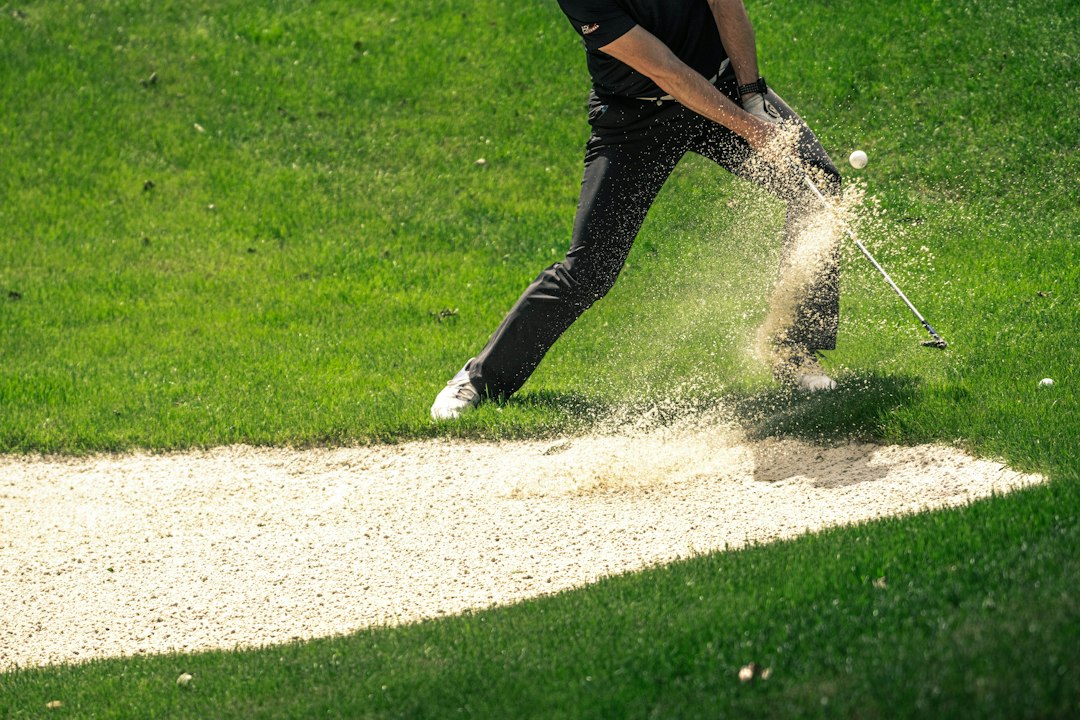
What Is the Point of Golf Gloves?
A golf glove stops the club turning in your hands. It does that by adding a layer of tacky material between your palm and the grip, so your hold stays the same whether your hands are dry, damp or sweating. You wear it on your lead hand, which is your left hand if you play right-handed. Plenty of golfers play without one, and the Rules of Golf equipment rules do not require one either.
- 🔑 A glove is a friction tool. Friction is what stops the club twisting at the moment of impact.
- 🔑 Nearly every golfer wears one glove, on the lead hand, because that hand does most of the holding.
- 🔑 Gloves earn their place in rain, in cold and with sweaty hands. Taking it off to putt is normal too.
- 🔑 Fit beats price every time. A loose glove makes you squeeze harder, which is the opposite of a relaxed grip.
- 📚 Read how to measure your golf glove size before ordering the size you have always bought.
- 📚 Or see how long golf gloves last to work out whether your current one is finished.
What a golf glove actually does
A glove is a friction tool and not much else. Bare skin on a rubber grip works well when your hands are dry, then stops working the moment they get wet, because a film of sweat or rain sits between your skin and the grip and lets the club rotate. A glove puts a rougher, tackier surface into that gap, so the hold you had on the first tee is the hold you still have on the last hole.
The grip force research explains why that consistency matters. A study that measured force at dozens of points along the grip, published in a collection of sports engineering papers, found that each player has a grip force signature, meaning the total squeeze through the swing repeats closely for that player. If friction drops away partway through a round, your hands have to work harder to hold the same force, and the timing that made the last shot work is suddenly fighting a different problem. A separate study in the Journal of Sports Engineering and Technology measured grip force through a tee shot with two different sensor setups and reached the same conclusion about how much a player's force varies.
The second job a glove does is comfort. Twenty or more full shots with a hard rubber grip against bare skin is a recipe for blisters and calluses, and a thin layer of leather or synthetic spreads that load across the whole palm instead of a couple of pressure points.
Why golfers wear one glove and not two
The glove goes on the lead hand because that is the hand at the top of the grip doing most of the holding. The trail hand, your right if you play right-handed, stays bare because it does the fine work. You use it to feel the clubface, set the face angle at address and roll the putter through impact. Bare skin simply gives you more feedback than a sheet of leather does.
You will see the exceptions on any Saturday. Some golfers wear two gloves in winter because both hands get cold, a few play with none at all, and plenty of good players peel the glove off as soon as they get within chipping range.
When a glove earns its place
Rain is the big one. A wet leather glove is worse than a bare hand, because a sodden palm slides on the grip. Rain gloves are built to work the other way, gripping harder the wetter they get, and a pair of them is the single best winter upgrade for a UK golfer.
Cold is the second. Hands lose feel and strength as the temperature drops, and a thin glove stops being enough once it is near freezing. A thermal pair with a lining keeps your hands working, and cold hands cost more shots than most gear problems do.
Sweaty hands are the third. If you notice the club rotating a few holes into a warm round, that is friction falling away. Rotating two standard gloves through the round, so one can dry on the bag while you wear the other, fixes most of it. Our guide to how long golf gloves last covers the rotation habit in more detail.
When you can leave it in the bag
Putting is the obvious time to take a glove off. Grip security barely matters on a smooth putting stroke, and feel through the handle matters a lot, so plenty of golfers peel the glove off on the green and put it back on for the next tee shot.
Chipping and pitching inside about fifty yards is the second. A short shot needs touch more than it needs a locked-down hold, so the glove comes off and the hand gets closer to the feel of the clubface.
If you use a full cord grip or a rough-textured wrap, you may find you do not need a glove in the dry at all. Cord grips are built to stay grippy when wet, which is exactly the job a glove normally does for you.
Leather, synthetic or all-weather
Cabretta leather is the premium option. It gives the best feel of the three, it moulds to your hand after a couple of rounds, and it wears out fastest, particularly if you use it in the rain. A leather glove used twice a week in a British season often lasts no more than a year.
Synthetic gloves cost less and hold up better. You give up a little feel, and the palm can go slick once it is soaked, but for most weekend golfers the trade is worth it because the glove survives a full season.
All-weather and rain gloves use a different surface designed to keep friction when wet. They feel firmer and less tactile than leather, and they are the only sensible choice for winter golf in the UK.
Thermal pairs are for cold rather than wet, and the lining is the point. Pick a pair rather than a single glove, because the bare trail hand gets just as cold as the lead hand on a frosty morning.
Fit is the part most golfers get wrong
FootJoy's own fitting guidance suggests a large share of golfers are playing in the wrong glove size, and most of those are wearing one that is too big. A glove with spare material lets your hand slide inside it during the swing, and the natural reaction is to squeeze the handle harder to stop the movement, which is the opposite of the relaxed grip you want. The wrong size also wears out faster, because the material abrades against the grip rather than sitting against your hand.
The fix takes about a minute with a tape measure, and our guide to how to measure your golf glove size walks through both numbers and the cadet cut that suits broad hands with short fingers. Two more habits are worth building in. Take the glove off between shots so it can dry, and never store it in a sealed pocket of your bag, because trapped damp is what turns leather hard and crusty.
Gloves worth buying
Prices come from Amazon UK listings checked on 29 September 2026, and they move with size and colour, so check the listing before you order. Ratings are left out because they change with every new variant.
- Amazon Basics Golf Gloves, Men's Left Handed - the cheapest way to find out whether you get on with a glove at all, and a spare for the car boot, about £2.37.
- FootJoy WeatherSof Men's Golf Glove - the default synthetic, with a soft palm that holds its grip in light rain and costs little enough to replace without thinking, about £10.49.
- Callaway Weather Spann Golf Glove, Men's - Callaway's answer to the WeatherSof, with a breathable mesh back panel for warm days, about £10.95.
- FootJoy WeatherSof Women's Golf Glove - the same weather-ready build cut for a smaller hand, in white and pink, about £12.50.
- V Golf 5 Pack Cabretta Leather Gloves - five cabretta gloves for about the price of one branded leather glove, which suits range sessions and practice, about £14.99.
- FootJoy CabrettaSof Golf Glove - the entry point to real cabretta leather, with a feel that is noticeably softer than any synthetic here, about £18.99.
- FootJoy WeatherSof Men's 2-Pack Golf Glove - two gloves so you can rotate them, which is what keeps one dry while the other airs, about £19.49.
- Titleist Perma-Soft Golf Glove - a leather glove with a perforated upper for golfers who want feel and a bit of airflow, about £20.00.
- FootJoy RainGrip Pair Men's Golf Gloves - sold as a pair rather than a single glove, and built to grip harder as they get wet, about £25.00.
- FootJoy WinterSof Pair Men's Golf Glove - a thermal pair with a fleece lining for winter rounds, when cold hands cost more shots than any other gear problem, about £27.00.
Frequently asked questions
What is the point of wearing a golf glove?
A glove adds a tacky layer between your palm and the grip, which keeps friction consistent as your hands get damp, sweaty or cold. That stops the club rotating in your hands during the swing, and it also cuts down on blisters over a full round.
Do you wear a golf glove on your left or right hand?
You wear it on your lead hand, which is the left hand for a right-handed golfer and the right hand for a left-hander. That is the hand at the top of the grip doing most of the holding. Left-handed gloves are sold as the mirror image, so check the listing wording before you order.
Can you play golf without a glove?
You can, and the Rules of Golf do not require one. Plenty of golfers play bare-handed and a few professionals do the same. It works best with a fresh, rough-textured grip and dry hands, so it is a tougher habit to keep through a British winter.
Why do golfers take their glove off to putt?
The putter is the one club where feel matters more than grip security, and bare skin gives you more feedback through the handle. Many golfers also peel the glove off for short chips and pitches, both for the feel and to let the leather dry out between holes.
How often should you replace a golf glove?
Replace it when the palm goes shiny and smooth, when the leather hardens into a crust, or when a hole opens at the base of the thumb. A glove used twice a week in the wet months often lasts a season or less, and rotating two gloves roughly doubles that.
Do golf gloves make you hit the ball further?
Not by themselves, and no glove adds clubhead speed. What they do is let you hold the club with a lighter grip pressure for the same security, and a relaxed grip swings more freely than a tight one. That is where any distance gain comes from.
For more golf gear guides, visit WeekendGolfer. If you are still building the rest of the bag, our picks for drivers for beginners and golf shoes for wet UK courses cover the two pieces of gear that take the most punishment.

Priya covers rangefinders, shoes and training aids for WeekendGolfer, focusing on what helps a weekend golfer rather than tour-level gear.
As an Amazon Associate we earn from qualifying purchases.
Last reviewed: September 29, 2026 · Evidence-based content · Contains affiliate links